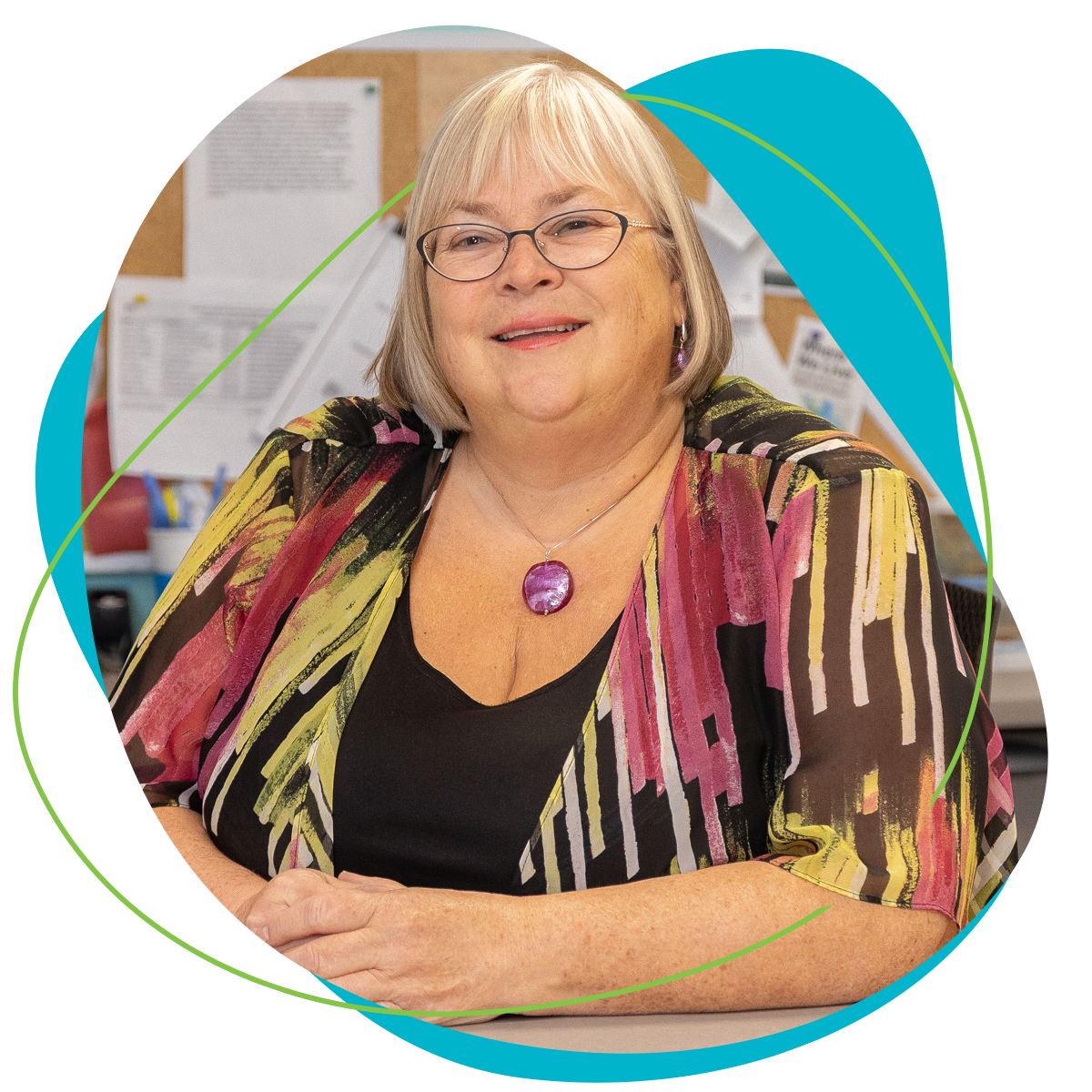
CEO, South Riverdale Community Health Centre
Community builder and lifelong believer in health equity
Can you share a bit about how you came to South Riverdale Community Health Centre and what inspired your journey here?
I came to SRCHC in 2000, but I’d been connected to its work long before that. I was at the Social Planning Council of East York, working with children, families, and newcomer women — many without health insurance. I saw that when people came to SRCHC, they were provided care, no matter what. It was innovative, creative, and always went the extra mile. I joined as a health promoter and, 25 years later, I’m still here — because access to care matters.
You’ve held many roles over the years. What’s kept you here?
The people — and the purpose. I’ve had the privilege of learning, growing, and being challenged in seven different roles. What never changes is the commitment to our clients.
This is a place where people care deeply, work hard, and show up for the community and each other. That’s rare, and it’s powerful.
Your background is in planning and policy. How does that shape your leadership?
I’ve always been fascinated by how systems work and where they fail. Health planning and social policy felt like a natural path because health is shaped by so much more than medicine. Housing, food, income, connection — they all matter. Leading South Riverdale Community Health Centre, I’m always thinking about how we connect those pieces so people don’t fall through the cracks.
When you imagine SRCHC 20 or 50 years from now, what do you hope it feels like when someone walks through the doors?
I hope it feels like a place of connection, and care. A place where people are seen, heard, and met where they are. Where someone feels, “I matter.” Where connections are built and community grows. Not a perfect place, but a deeply human one.
What do people often misunderstand about those who come here?
People sometimes forget that our clients are their neighbours. Their cousin who just immigrated. Their brother struggling with substance use. Their friend living with mental health challenges. Many have been failed by systems that were supposed to help them. We don’t ask people to change to access care. We change how care is delivered.
Looking ahead, what do you hope people are saying about SRCHC 50 years from now?
That it’s still innovative, compassionate, and deeply rooted in equity. That it delivers high-quality, team-based, wraparound care, and looks beyond illness to the realities of people’s lives. That it never lost sight of who it’s here for: such as for newcomers, racialized communities, and people living with low incomes. And that it helped rebuild connection in a world that became more divided.
What would you say to someone who hasn’t found their way here yet, but might one day need these services?
You are welcome here. If the system has let you down, we will do everything we can not to. We’ll meet you where you are and support you with care, dignity, and respect.
As we celebrate 50 years, what does Dreaming Forward mean to you?
It means holding onto who we’ve always been while imagining what’s possible, together. It means compassion and connection guiding us forward, so no one is left behind.