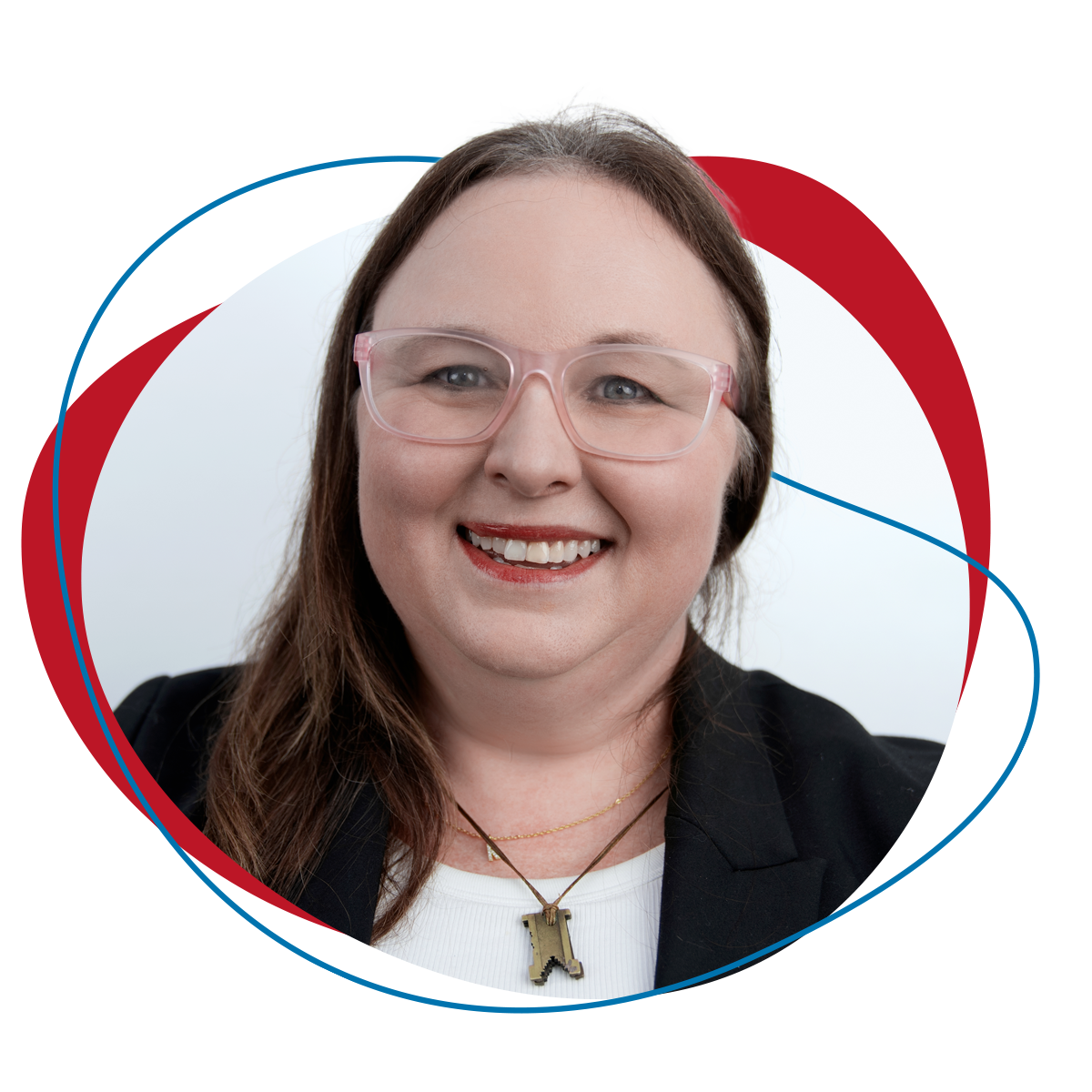
A health system leader who believes care should be holistic, low-barrier, and rooted in the realities of people’s lives.
Board Chair, SRCHC, and health system expert working with the Ontario Hospital Association
What first connected you to SRCHC, and what has kept you engaged over time?
About ten years ago, I went back to school where I first heard the phrase ‘social determinants of health’ and made the connection with what I’d always understood and witnessed in my own family and community. Specifically, how income, housing, education, and many other factors shape our health and how we access care.
I was involved with an equity-focused community arts organization even before my studies and realized, after finishing my degree, that I could be part of a similar organization geared towards advancing healthy equity. I was referred to SRCHC’s Board and had the chance to meet with other Board members and staff. It just felt right.
Five years later, I can honestly say that when I’m here, I feel like I’m part of something special. Being part of SRCHC has profoundly influenced my outlook and has also consequently had an impact on my own family. My kids can see what caring for a community can mean. They have come to events, and my daughter even now carries a naloxone kit. It’s been deeply personal work, and I wish I didn’t have to leave at the end of my term!
In your view, what makes SRCHC’s approach to care distinct within the health system?
People often talk about “integrated care” or “wrap-around services” in the broader health system as goals to work towards. SRCHC lives it. We meet people where they are while doing what it takes to support them in achieving good health and wellness.
I wish everyone could spend time in a community health centre like SRCHC. It can be really eye opening as we focus on the full picture — things like housing, languages spoken, and immigration status. Individuals might not necessarily think of them as related to health, but they are integral in how we approach and provide care.
I’m glad that people who are most often left out are the ones experiencing this model of care firsthand. I believe this is what health care should look like for everyone.
How has your experience across different parts of the health system influenced how you see the role of community health centres today?
Across the system, we often talk about barriers to access and siloes. At SRCHC, I see frontline staff removing barriers for their clients every day, when they are given the time and are empowered to connect across organizations to find solutions. What community health centres and SRCHC are particularly great at is working in the messy middle, connecting the dots, and forging relationships across the health and social system to help the most vulnerable individuals navigate and receive the best care possible.
We understand that health is shaped long before someone walks into a clinic. Things like growing up with food stability, safe housing, and support at home matter deeply. That the seniors in our community need more than movement, they need a place where they feel that they belong. SRCHC understands that and responds to it in a practical, human way.
When individuals are supported in this way, it has a ripple effect. Families and whole communities are strengthened too.
You’ve been actively involved in the development of SRCHC’s new strategic plan. Where do you see the greatest opportunities for SRCHC in the years ahead?
SRCHC is already doing exceptional work. I think the opportunity now is to keep building on the values that have guided the organization while looking ahead at how we can take a bold step forward.
The challenges facing communities are changing and growing — housing instability, rising costs of living, increasing complexity in people’s health and social needs. We need to be nimble and responsive to the challenges of today and the future, and in ways that are responsive, practical, and deeply human.
What makes SRCHC special is the way it shows up through relationships, trust, and partnership. There’s a humility in how staff show up, and a real commitment to meeting people where they are.