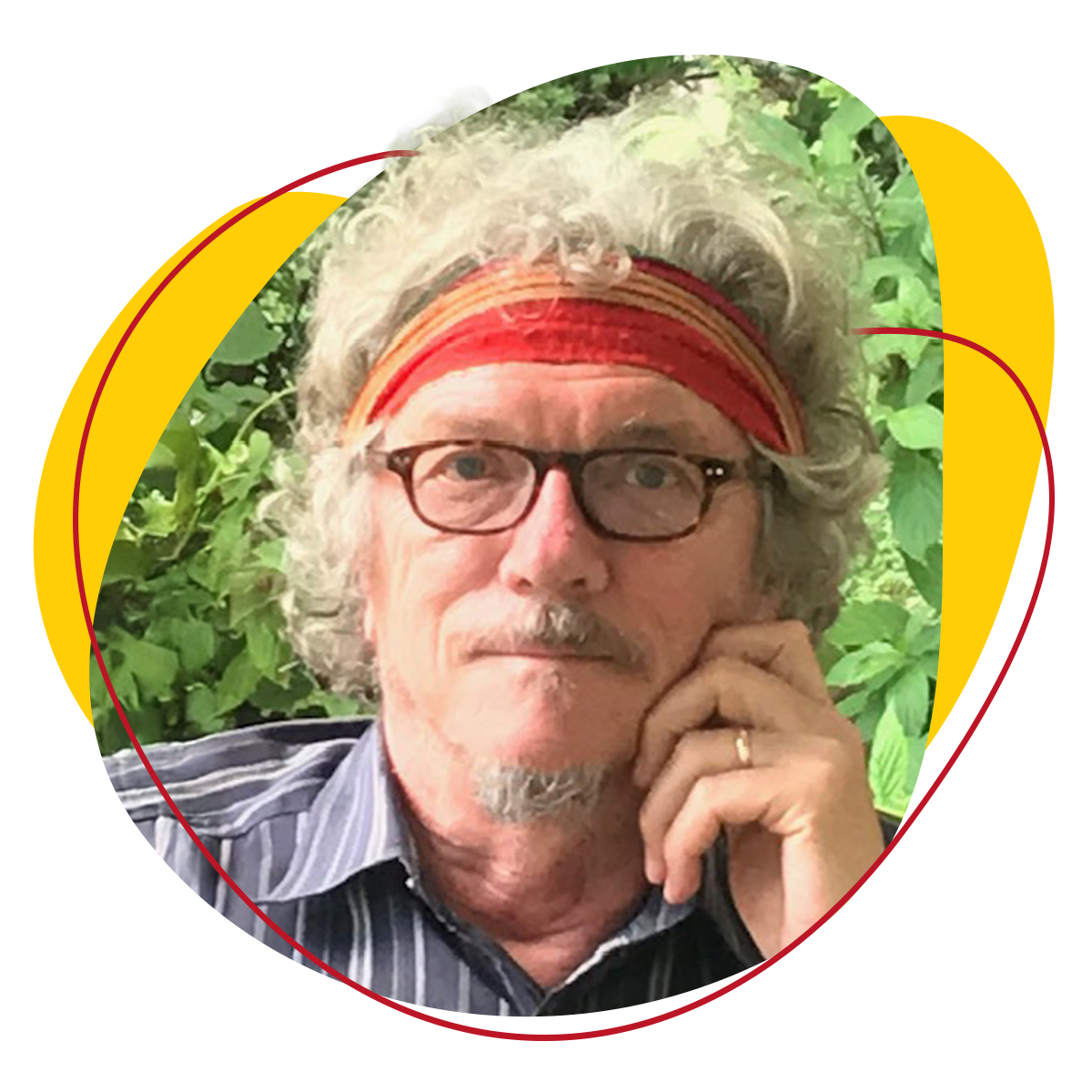
Dr. Philip Berger, a physician, advocate, and current Board member who first walked through SRCHC’s doors in 1978 — and never really left.
You first worked at South Riverdale Community Health Centre from 1978 to 1982. What drew you here?
I wanted to practice medicine where I lived. SRCHC served people who were disconnected from the health system — refugees, gay men, people who used drugs, families living in poverty. They need health services more than anybody.
The building was an old police station; our exam rooms were former cells. It was ramshackle and imperfect — but I was comfortable. When I saw institutions and systems abusing their power to mistreat people having hard times, I felt instinctually that I had to act.
What do you remember most about those early years?
Intensity. Energy. Purpose.
We worked long hours, but it never felt heavy. After all we were still young. We did house calls and saw how people truly lived — inadequate housing, empty cupboards, chronic illness shaped by poverty and pollution.
I treated refugees — and documented injuries that they sustained from torture in their home countries. I examined individuals following incidents involving excessive use of force by the Toronto police. I supported gay men at the dawn of the HIV epidemic, reading early reports and staying alert before most understood what was emerging.
My first medical partner, Michael Rachlis, and I believed it was our duty to intervene — especially when others couldn’t.
You were involved in some of the earliest responses to HIV and harm reduction. What shaped that work?
We read the first medical reports about a strange pneumonia affecting gay men in the United States. Soon after, I saw my first patient with what we later understood as HIV-related illness.
Later in my career, I advocated strongly for methadone treatment and needle exchange programs — controversial at the time. Drug users and I led public campaigns, pressed governments, presented evidence. Many of those ideas are now mainstream.
My work at SRCHC taught me to do my homework, understand opposing views, and let evidence speak louder than outrage.
After decades away, what brought you back as a Board member?
In 2023, I saw a call for Board nominations for people who lived in a particular neighbourhood of their catchment area, and were over 60. I satisfied both criteria. It felt like going home.
Everything I learned at SRCHC — about frontline dynamics, humility, looking at the patient’s conditions through their eyes — carried me through my career. Coming back wasn’t nostalgia. It was gratitude. It was time to give back.
SRCHC has often taken bold positions. What must it carry forward into the next 50 years?
SRCHC must continue to take risks, grounded in evidence. Do the homework. Know the counterargument. Avoid hyperbole. Never become self-righteous.
Be the trusted place for complex care — refugees, people disconnected from systems, those troubled by drug use or experiencing severe poverty. Be a flag bearer for humane care.
Go forward with imagination, creativity, and discipline.
If SRCHC could make one “impossible” thing possible in the future, what would it be?
That enlightened, humane care for marginalized people is no longer controversial.
That harm reduction in all its manifestations, refugee health, trans care — all of it — is simply understood as good medicine.
And that SRCHC remains known as the place that was not afraid to take risks and show leadership when reconfronting conditions which make people sick or impede their recovery.
What would you say to someone who may one day need SRCHC?
You will receive wholesome care, and care based on the most up-to-date evidence.
You will find a broad team — physicians, nurses, counsellors, outreach workers — providing services you may struggle to find elsewhere: substance use supports, trans care, abortion services, help navigating income assistance, care for the uninsured.
More than anything, you will be taken seriously.
And that can change everything.