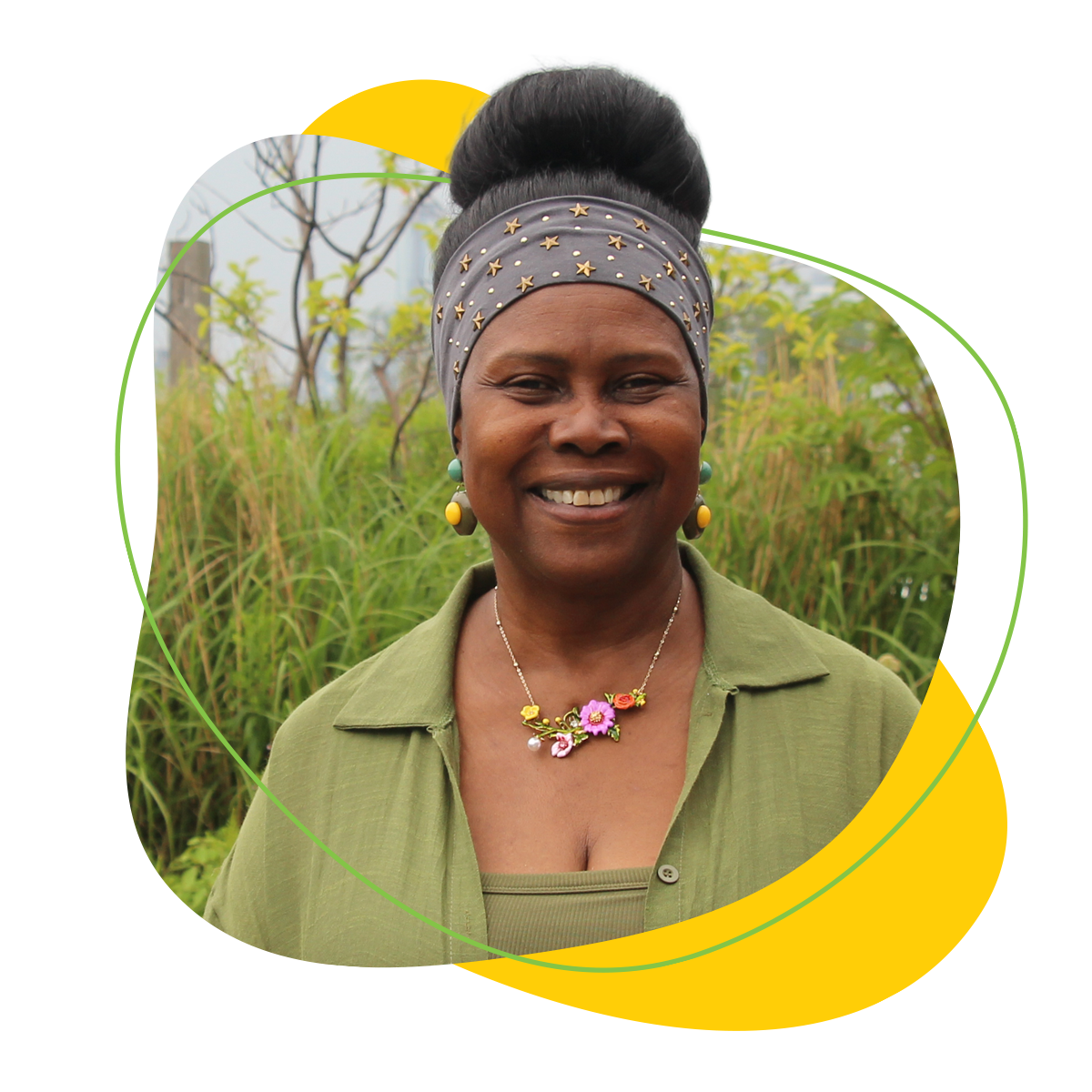
Meet Jasmin, a Chronic Pain Peer Leader who helps people living with chronic pain and other ongoing health conditions build confidence, find community, and feel less alone.
What first brought you to SRCHC, and what has kept you connected over the years?
I found SRCHC through CharityVillage. Because of my own experience living with chronic pain, the opportunity to help others manage their pain really spoke to me.
One of my first experiences with SRCHC was helping with the Healthy Feet program, which supported people living with diabetes to care for their feet and prevent serious complications. From there, I trained in several self-management programs. What keeps me connected is knowing that people can learn practical skills and feel better supported in their everyday lives.
What are some of the tools you share with people living with chronic pain?
We talk about things like pacing yourself, planning activities, and breaking things down into smaller, manageable steps. When you live with pain, you have to learn how to use your energy wisely and find ways to get things done without pushing yourself too hard.
We also explore the mind-body connection and how distraction, movement, and healthy habits can help. The goal is to give people practical things they can try in their daily lives, so they feel more confident managing their pain.
How can these everyday skills make a difference in people’s lives?
Living with a chronic condition means thinking about your health in many different ways. We talk about exercise, healthy eating, reading food labels, and understanding portion sizes. These are useful skills for people managing pain and other chronic conditions, including diabetes.
I want people to feel that they have tools they can use between appointments, not just when they see their doctor.
Beyond the practical skills, what else do you see people gain from these programs?
Connection. Community. Confidence.
People come in and discover they aren’t alone. Others understand what they’re going through. They start talking, making connections, and sometimes becoming friends.
I’ve seen people come to life in these workshops. Some even take the same program three, four, or five times. They keep coming back because they get something out of it. It’s a place where they feel welcome and can learn from one another.
If you could reach more people through these programs, who would you most want to connect with?
I’d especially like to reach people in marginalized communities, people with low incomes, seniors who are isolated, people who face language barriers, and those who don’t have a family doctor.
We need to do more to let people know these programs exist. I’d love to see us reach the level we did before COVID, when we were offering workshops in many community centres, health centres, hospitals, and many other places.
Everyone deserves access to support, no matter their circumstances.
What does being empowered look like to you?
It means people understanding their own conditions and feeling able to speak up for themselves.
I want people to feel more comfortable describing their symptoms to their health professionals, asking questions, and explaining what they need. When people have knowledge and support, they can take a more active role in managing their health.
As you look to the future, what would you love to see these SRCHC programs, that are managed by Choose Health, become?
I’d love to see the programs continue to grow and reach more people. I’d also love to see social activities become part of that work again.
Through Choose Health, we organized outings, including a trip to the Royal Ontario Museum. It gave people a chance to get out, learn something new, and spend time together. For someone who is isolated or spends a lot of time thinking about their health, that kind of experience can mean a lot.
Health is about more than appointments. It’s also about connection, new experiences, and enjoying life.
What would you hope the people at SRCHC, 50 years from now, never lose sight of?
Never lose sight of the people who need help. We need to keep reaching out to communities, making people aware of what’s available, and creating safe spaces where people can learn and connect.
I hope SRCHC continues to be a place where people feel welcome, supported, and less alone.
And what would you encourage them to dream even bigger about?
Dream about reaching more people and continuing to improve lives. I’d love to see these programs expand, with more facilitators and stronger connections in the community.
We need to get out there and meet people where they are. There is so much we can do when we give people the tools, support, and space to help themselves and one another.