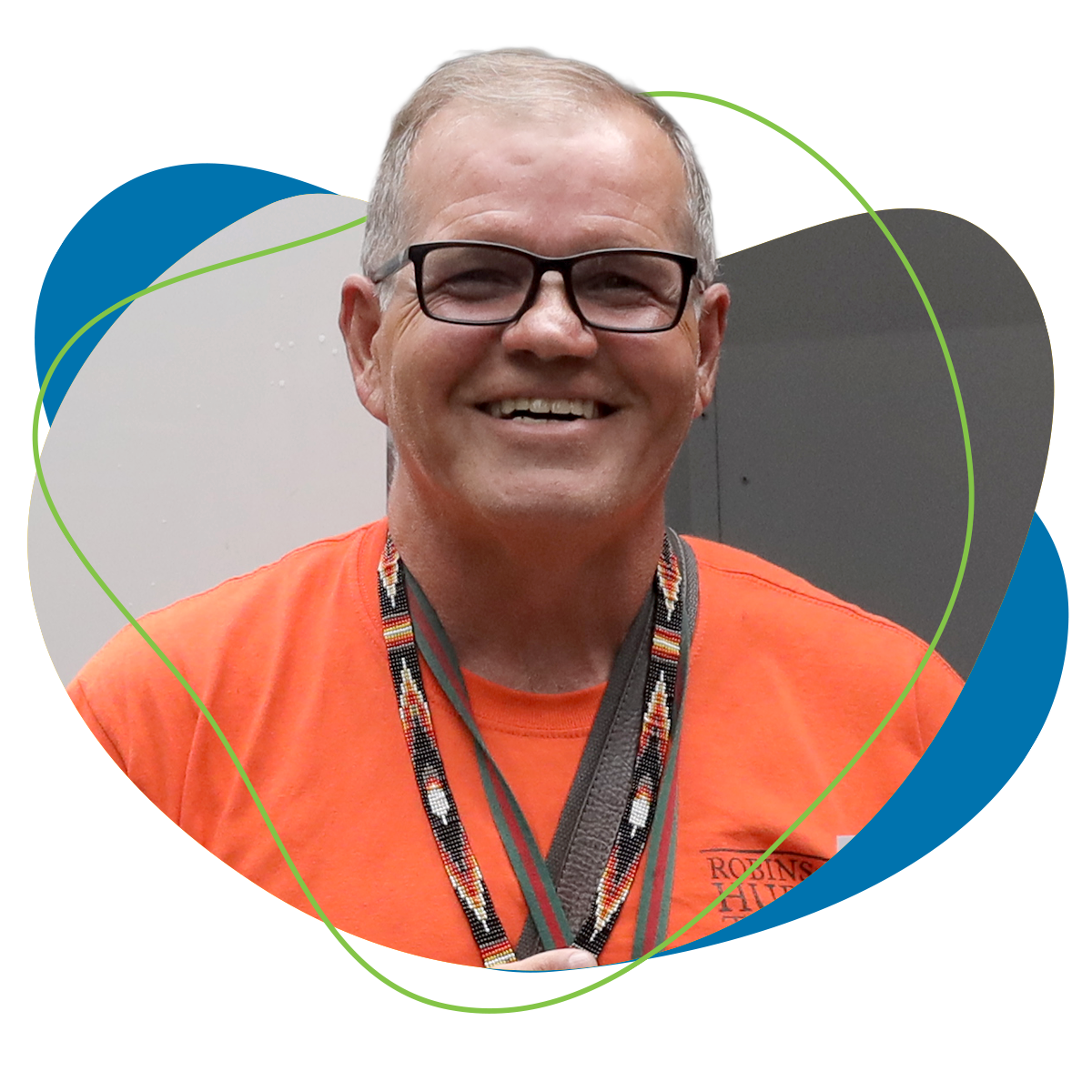
From patient to peer leader, he now walks alongside others on their path to care and connection.
What led you to first connect with SRCHC, and what stands out to you about that time?
When I was released in 2017, My family doctor referred me to the Toronto Community Hep C Program which is co-led by SRCHC and other community partners. I’d tried treatment before, but the health system had treated me very badly. I felt judged. I’d been living with Hep C for 15 years and didn’t really understand it.
When I met the nurse at the Toronto Community Hep C Program, she explained everything in simple words using 10 cent words. No pressure. She also asked what would work for me — including different ways I could get my meds because I was homeless.
That respect stuck with me. I started treatment a couple of weeks later and went every week.
What was it like walking into their weekly program for the first time?
I was nervous. I just sat and listened. Everyone did a check-in. The facilitators were people that had went through treatment — had been through it themselves. That made it feel real.
It was a safe space. What you said stayed there. That mattered. I wasn’t used to that, being treated with dignity and respect.
What has your journey with SRCHC been like since then?
While in treatment I started volunteering, making harm reduction kits. It gave me something to focus on.
I also got housing during that time and connected with the mental health counsellor from the Toronto Community Hep C Program which changed everything. Then I joined the peer training — 18 weeks. It’s the only thing I’ve ever graduated from. It built me up.
How did that journey lead you to the work you do today?
I started as a peer worker a few hours a week, then grew into a full-time community health worker. I’ve been in this role for over four years now.
I go out and connect with people on the street, in shelters, detoxes, meeting people where they’re at, wherever they are in their journey. I share what Hep C and harm reduction are, and let them know support is there. You will be treated with dignity and respect. I’ve lived it, so I understand where they’re coming from. I always keep it real with people.
What does your role look like day to day?
Every day is different. I might meet someone while getting some lunch and end up helping them. That happens a lot.
I also support the community support workers — showing them how to facilitate and run groups, set boundaries, and just be there for people. Keeping it a safe space. I try to lead by example.
Are there any moments that have really stayed with you?
Seeing the first person in the program get a liver transplant. That was huge. She’s still connected with us today and is a member of our patient advisory group.
Another one was when we started letting couples do treatment together. I pushed for that and now it’s allowed. That stays with me. Seeing people grow with the right supports.
What does SRCHC mean to you today?
It’s my community. My family.
I had a rough life and used drugs for over 30 years. This is the first place I felt I belonged. People here accept me for me. That’s everything.
When you think about the future, what would you love to see for SRCHC and the community?
I hope they keep doing what they’re doing — welcoming everyone and standing up for people who get pushed aside. Keeping it a safe place for all.
Keep making space for people to feel safe, respected, and cared for. They don’t give up on people. They/we fight for them. That’s what makes it special.