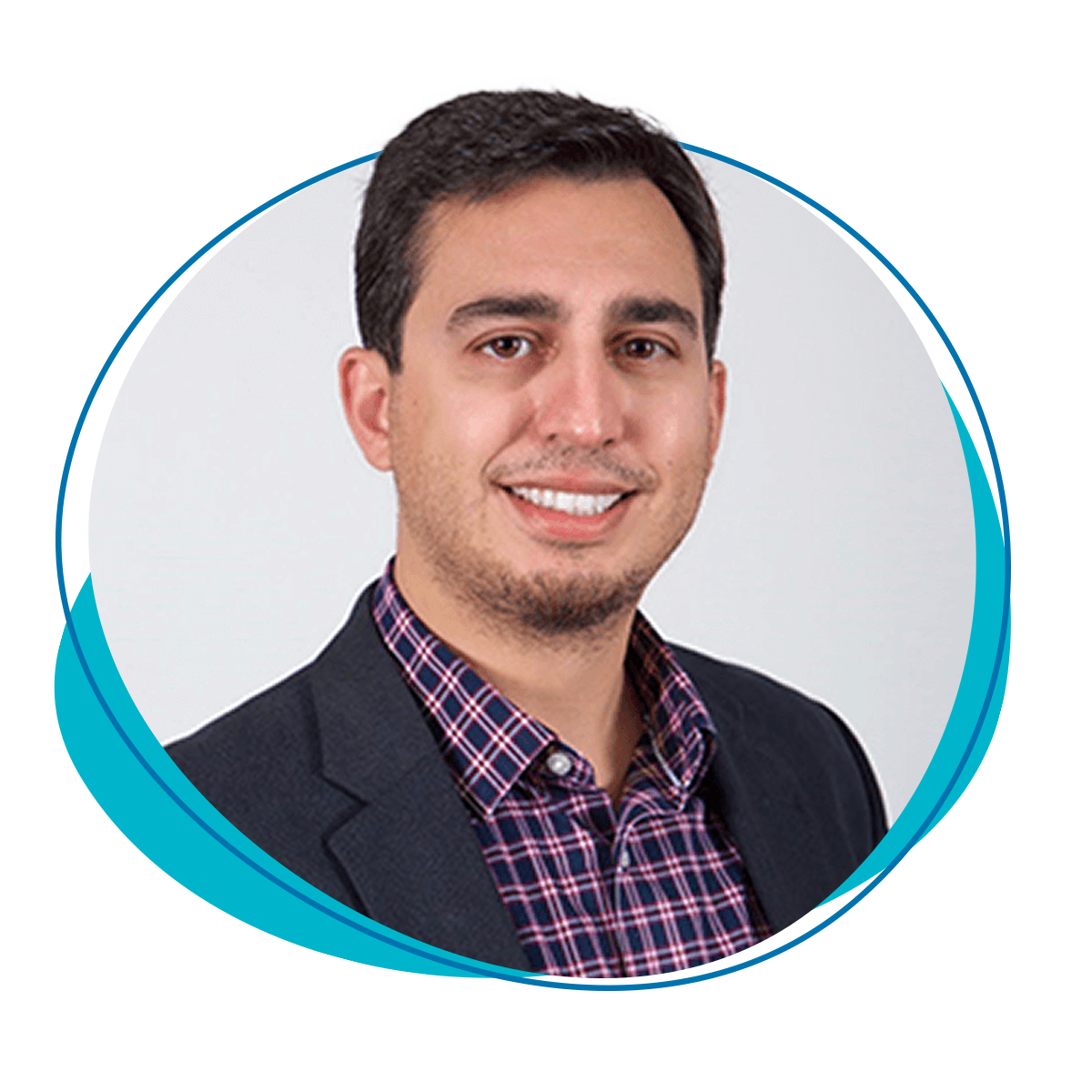
A health equity advocate, he brings a deep belief to the Board: care should meet people where they are — and treat them with dignity.
Can you share a bit about your journey with community health centres — and what first drew you to this work?
Community health centres have always felt close to home for me. I’m the child of Iranian refugees, and growing up, I saw how much things like income, housing, language, and belonging shape your health.
That perspective deepened during my time as a Board member, and later Board Chair, at Access Alliance, including through the early days of the pandemic, when I saw firsthand the difference community health centres make in moments of crisis.
At the same time, through my work in health policy and as a management consultant in the health system, I’ve been able to see their impact at a broader, system level — how they fill critical gaps and reach communities that other parts of the system often miss.
So, when I moved into SRCHC’s neighbourhood and discovered their work, I was genuinely excited to get involved.
From your perspective, how has SRCHC evolved in responding to the needs of the communities it serves?
What’s really striking is how SRCHC has changed without losing who it is.
The communities it serves today are more diverse and facing new pressures — especially around affordability and mental health. And SRCHC has responded in thoughtful ways: building stronger partnerships, expanding supports, and showing up in the context of the toxic drug crisis.
They’ve kept adapting, but always in a way that stays grounded in their values.
How has your work in health policy and the social determinants of health shaped the way you think about SRCHC’s role?
One thing my work has reinforced is that if we’re serious about improving health, we have to look beyond the health system.
Policy can sometimes miss what people are actually living through day to day. That’s where SRCHC plays such an important role — it translates lived experience into real action.
It understands that health is about clinical care and housing, income, and connection. And it helps bridge those gaps, while also bringing those realities into bigger policy conversations.
What do you hope people will be saying about SRCHC 50 years from now?
I hope people will say that SRCHC stayed true to its mission and stood alongside communities facing the greatest barriers. That it helped shape a more equitable city — pushing systems to be more inclusive and just. And that, at its core, it made people feel seen, supported, and that they mattered.
What do you see as a key priority for the Board?
One of our biggest priorities is caring for the people who do the caring. The staff are incredibly dedicated and inspiring, and the Board is very aware of that. Supporting their wellbeing is essential.