

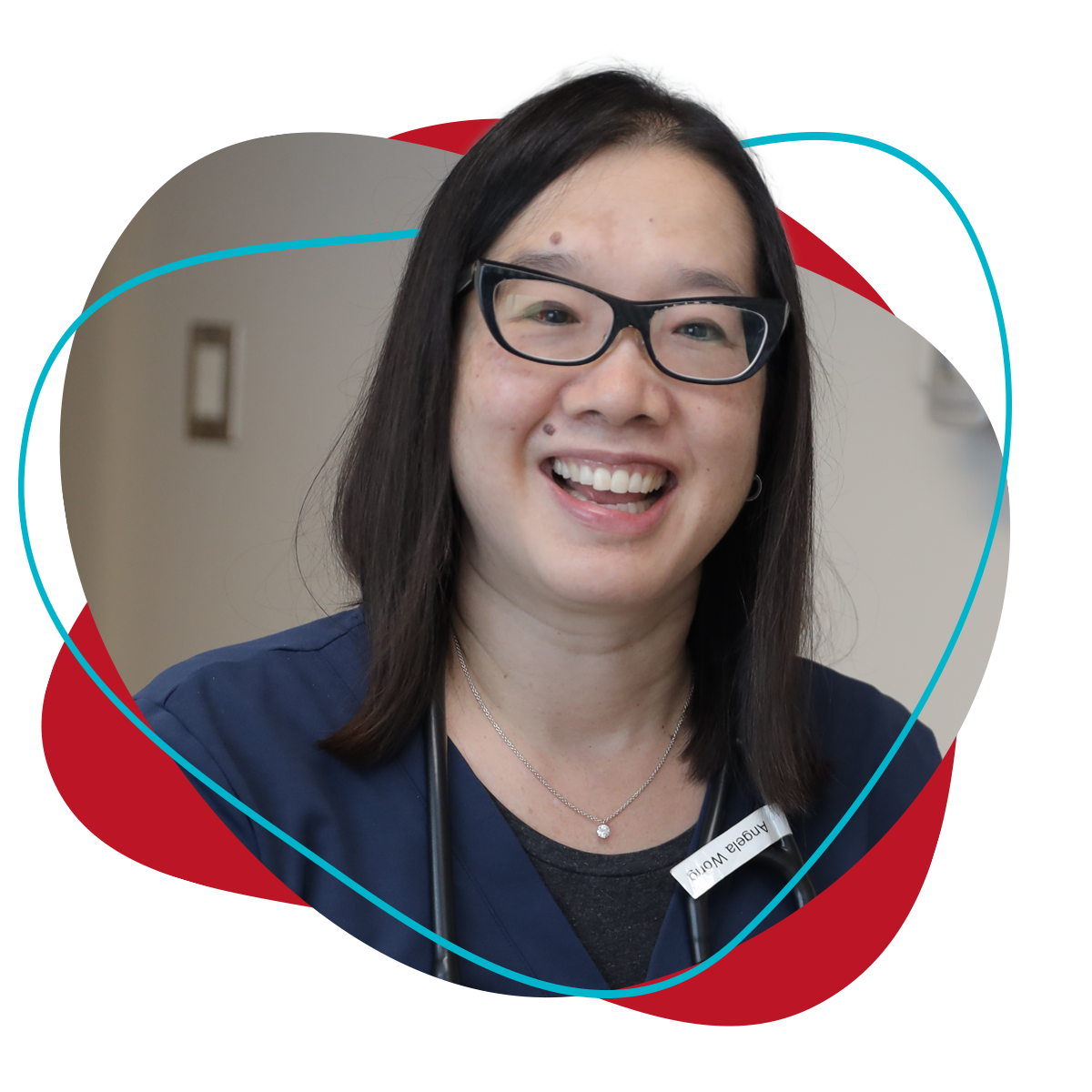
Dr. Angela Wong, clinical MD lead, has spent nearly three decades at SRCHC caring for patients with compassion, curiosity, and a belief in team-based care
What first drew you to SRCHC, and what has kept you here for 28 years?
I joined in 1998, soon after finishing my family medicine residency. They were looking for a Cantonese-speaking physician, and I was drawn to the salaried model. It meant I could spend real time with patients and understand their full lives.
I’ve stayed because of that model — and the people. I’ve built long, trusting relationships with my patients and colleagues. I am fortunate to work with amazing individuals who genuinely respect and support each other. That sense of connection keeps me grounded.
What does your role as physician lead look like?
I help with administrative tasks such as on-call scheduling and the development of clinical policies, procedures and protocols. I am also involved in various committees across the organization and serve as a liaison between the clinicians and leadership, ensuring that our voices are heard.
I also support new physicians, reminding them they’re never alone here. We are a team. From reception to clinical care and other services, everyone plays a role. We encourage each other to ask questions and seek assistance from others when needing additional support.
What makes care at SRCHC different?
We care for the whole person. And that hasn’t changed over the years.
Many of our patients have complex needs — chronic health conditions, mental health challenges, language barriers, and unstable housing. Our model allows us to take the time needed and to work collaboratively with our allied health professionals such as nurses, social workers, physiotherapists, chiropodists, and dietitians as needed.
We do a lot of advocacy for our patients — helping with food security, housing, and access to services. Care doesn’t stop at the exam room.
How have the needs of the community evolved over time?
Our patient populations have grown. When I started, we didn’t have harm reduction programs. Today, SRCHC supports more people who use drugs and those facing complex mental health challenges.
We’ve adapted by expanding our services, even with limited resources. I’m especially grateful we can care for uninsured patients — offering the same quality of care, without compromise.
What keeps you inspired in your work?
The relationships.
I’m still caring for patients I met decades ago — some into their 90s. Being part of their lives over time is a privilege. It reminds me why continuity of care matters so much, especially for people who may not always feel seen or supported elsewhere.
Looking ahead, what is your vision for primary care in Ontario?
I worry about patients being left without a family doctor as many physicians retire. Continuity of care is so important, especially for vulnerable communities.
What we offer at SRCHC — a team-based model — means patients are never alone, even when one provider steps away. I hope more people across Ontario can have that same sense of stability and support.
As SRCHC looks to the future, what are you dreaming forward?
I hope we continue to see the whole person — not only their medical needs, but their housing, food, and social connections.
I also hope we keep caring for our staff. This work can be demanding, and creating space for rest, connection, and well-being is essential. When we care for each other, we can better care for our community.