Seeing Beyond the Eye
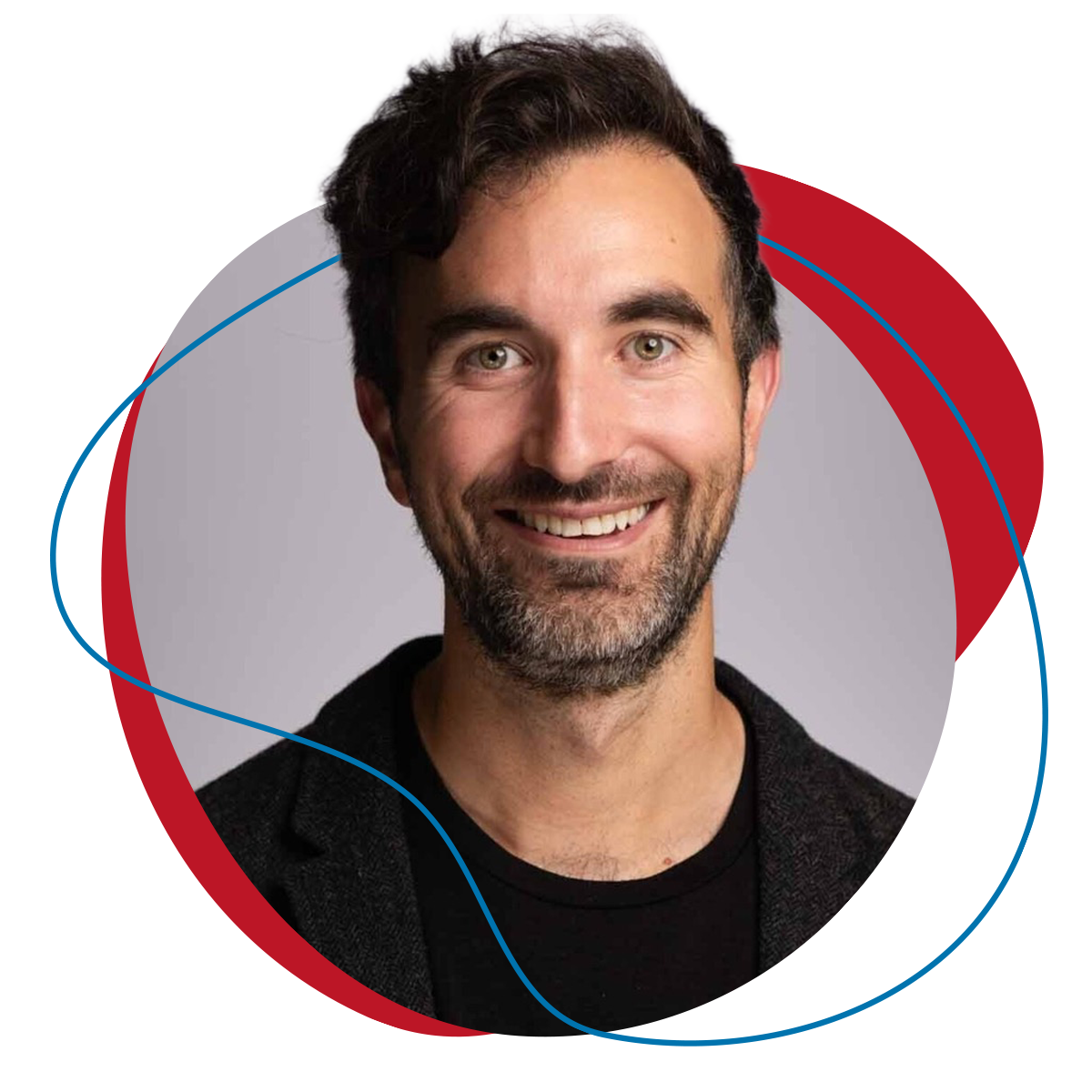
Meet Dr. Alexander Kaplan, an ophthalmologist who supports SRCHC’s Diabetes Eye Screening Program, helping people at risk of diabetes-related vision loss access early, potentially sight-saving care
What first drew you to SRCHC and its Diabetes Eye Screening Program?
I was introduced to the program by Dr. Michael Brent, who established it in 2013. He was a real trailblazer, and I was excited to help when he retired.
I’ve always been drawn to outreach medicine. During my ophthalmology training, I took part in missions serving underserved communities in places like Uganda. I also work with an eye van that travels to Northern Ontario.
I’m motivated by the opportunity to reach people who have limited access to care — especially those who might otherwise fall through the cracks.
Your work combines innovative technology with a very human purpose. How does the program work?
People living with diabetes should have their eyes examined regularly, but not everyone can access an eye specialist. Our program uses a camera to photograph the back of the eye, allowing us to look for early signs of diabetes-related damage without requiring everyone to see an ophthalmologist in person.
I review the images remotely. If everything looks normal, the person can generally return for screening in a year. If I see something concerning, I arrange an in-person assessment so we can intervene as early as possible.
It’s an innovative way to bring care to people, rather than expecting everyone to find their way to care.
What has this work taught you about the people behind the images?
At first, I’m looking at photographs on a computer screen. But if I identify a serious problem, I meet the person behind those images.
Sometimes, I think about what would happen if this program didn’t exist. I might never meet that person, and they could lose their sight without knowing there was a problem.
Many of these people live in Toronto, surrounded by healthcare providers, yet still face barriers to accessing care. Their trust in SRCHC makes it possible for us to reach them. That trust is essential.
What makes SRCHC the right place for this kind of care?
SRCHC has built relationships with communities that may not feel comfortable or safe accessing healthcare elsewhere. People may be uninsured, have no OHIP coverage, or face other barriers that make seeking care difficult.
At SRCHC, they can access this screening for free, without needing OHIP. That matters enormously.
The program is also a testament to what can happen when a community health centre recognizes an unmet need and helps turn an innovative idea into a practical service. Dr. Brent saw the potential of this approach in urban communities, and SRCHC helped make it happen.
What is at stake when someone can’t access timely eye screening?
Sight is fundamental to independence. It allows us to navigate the world, connect with others, and carry on with our daily lives.
Diabetes-related eye disease can develop silently. By the time someone notices a change in their vision, the damage may already be significant. Early screening can help us detect problems before they progress, potentially preventing permanent vision loss or the need for more invasive treatments.
For me, this program is about helping people preserve their sight so they can continue living their lives as independently as possible.
When you dream forward 50 years, what would you like to see change?
I’d love to see this screening model available at every community health centre across Ontario — and eventually much more widely.
We’re also beginning to integrate artificial intelligence into screening. I hope that, in the near future, AI will be able to identify normal images immediately, allowing people to receive their results sooner while helping specialists focus their attention on those who need further assessment.
The technology is exciting, but the bigger dream is equitable access: making sure that where you live, what you earn, or your insurance status doesn’t determine whether you get to keep your sight.
What do you hope the next generation of healthcare professionals will carry forward?
Healthcare professionals are stretched, and it’s easy to become immersed in the demands of our everyday work. But I encourage people to step outside their usual settings when they can, spend time in underserved communities, and experience different parts of the province or country.
Those early experiences can spark something. Outreach is a meaningful way to give back and use your skills for something that matters.
And I hope community health centres everywhere will have access to this kind of screening. SRCHC was ahead of the curve in establishing this program. It would be wonderful to see that vision carried forward so many more people can benefit.