
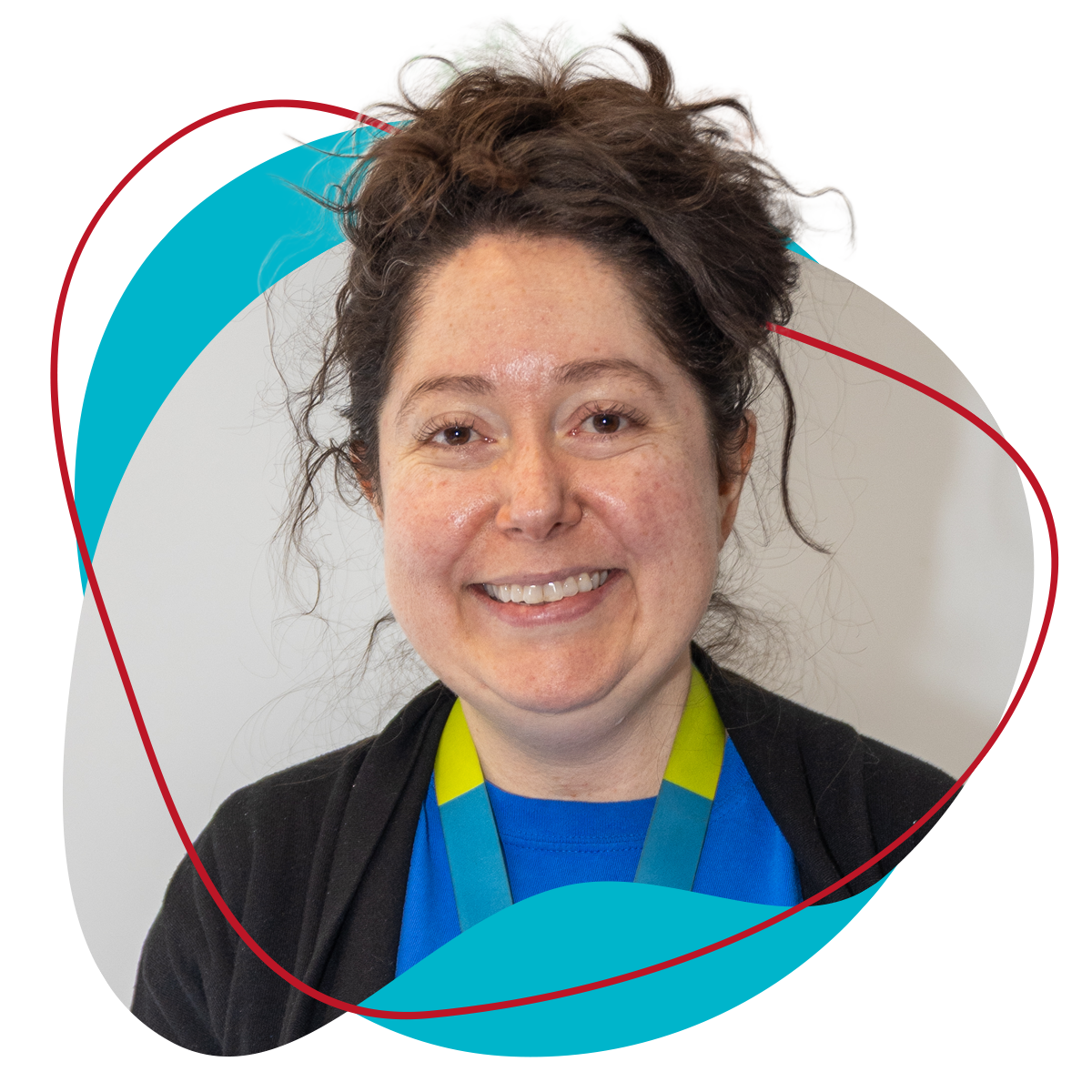
As Regional Facilitator of Toronto Diabetes Care Connect, Sandra Fitzpatrick helps people navigate a complex healthcare system and connect with the diabetes care and community supports they need to live well.
What does compassionate, accessible diabetes care look like?
It means seeing the whole person, not just that they live with diabetes. People need access to care without financial barriers, stigma, language barriers, or other obstacles standing in the way. That includes everything from medications and testing supplies to foot care, nutritious food, and mental health support.
Toronto Diabetes Care Connect helps people navigate the healthcare system and find programs that meet their individual needs, including community services that offer care with fewer barriers. It’s about making sure people can access the right support, at the right time.
How does Diabetes Care Connect help make that possible?
There are many wonderful diabetes programs across Toronto, but knowing where to turn — and being able to get there — isn’t always easy. Our central referral service helps connect people to appropriate care across the city, taking into account their circumstances and the barriers they may face.
Last year, we connected almost 2,000 people to diabetes care through our central referral service. Behind every referral is a person who deserves to be supported in finding the care they need.
Diabetes doesn’t exist in isolation from the rest of a person’s life. How does that shape the program’s approach?
Living with diabetes involves constant decisions. Where will my next meal come from? Will I be able to afford my medication? How will the food available to me affect my blood sugar?
These daily pressures can take a real toll on someone’s health and well-being. That’s why connecting people to healthcare alone isn’t always enough. Social work, mental health supports, peer groups, and community programs can all play an important role. Our goal is not simply to help people manage their diabetes, but to help them thrive.
What is one example of how the program is responding to people’s needs?
This year, we expanded SRCHC’s foot care program to better support people experiencing homelessness, many of whom are also living with diabetes, substance use challenges, or mental health concerns.
Foot health is critical, yet something as simple as a well-fitting pair of shoes can be out of reach. With support from the Downtown East Ontario Health Team and a partnership with Mark’s, we help people access properly fitted shoes and boots at no cost. It’s a practical intervention that can help prevent wounds and infections, preserve mobility, and make daily life a little easier.
What are you learning from this work?
The new foot care program has served 97 clients, with shoes and boots fitted and provided. Of those clients, 36% were underhoused or experiencing homelessness, and 93% had an annual household income below $40,000.
These numbers help illustrate why accessible, community-based care matters. Preventing complications isn’t just about clinical interventions; it’s also about understanding the realities of people’s lives and addressing the barriers that can put their health at risk.
What does bringing care closer to people look like in practice?
It means recognizing that not everyone can easily get to an appointment, afford a service, or navigate a referral on their own. Some aspects of diabetes care, like foot screening and blood pressure checks, require in-person support. For someone experiencing mobility challenges or homelessness, even getting to that care can be difficult.
Our role is to help bridge those gaps and make the care landscape easier to navigate.
What has your experience on the front lines taught you about this work?
I spent 12 years on SRCHC’s diabetes education team, building relationships with clients and learning about their lives beyond the clinic. Those relationships helped me understand the challenges people face when trying to put care recommendations into practice.
That experience continues to inform my work today. Coordinating care across the city gives me a broader view of the system, but the goal remains the same: to support people, understand their needs, and help them find a way forward.
As SRCHC celebrates 50 years, what do you dream of for the next 50 years of diabetes care?
I hope for a future where everyone has equitable access to the care, medications, technology, food, and supports they need — without having to choose between their health and other essentials.
Diabetes care has advanced tremendously, from insulin treatments to new technologies that can make managing the condition easier. The next step is ensuring those advances are accessible to everyone who needs them.
I also hope we continue strengthening the connections between healthcare and community supports, so people living with diabetes can navigate their care more seamlessly, feel understood, and have every opportunity to thrive.