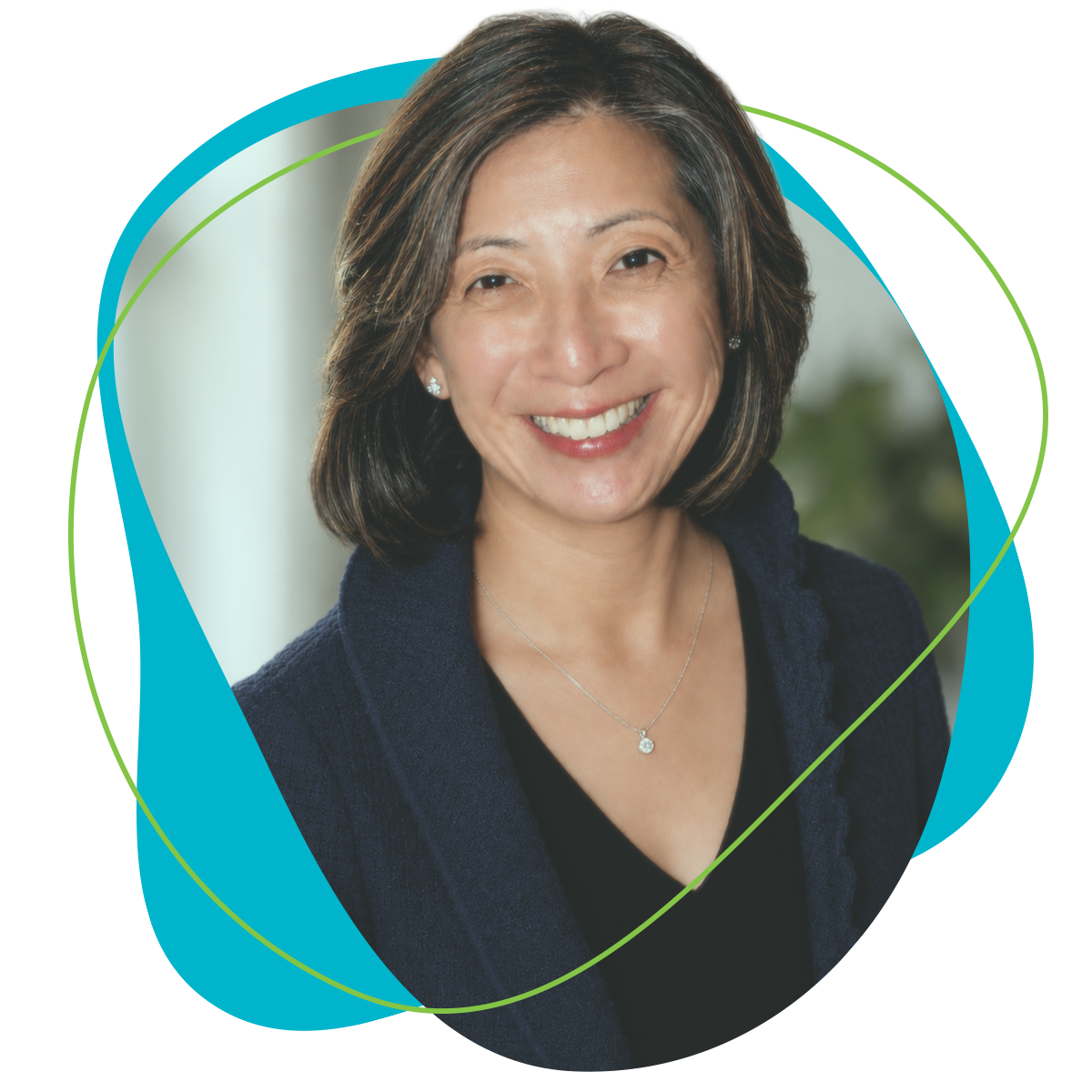
Meet Dr. Catherine Yu, a family physician and community-health leader who believes that when we organize care around people and the places they call home, we can change what healthcare feels like.
What does the Health Access neighbourhood model mean to you?
I’ve been a family doctor for more than 20 years, and I was trained to diagnose illness, prescribe medications, and recommend treatments. But I was never trained to write a “social prescription.”
Over the years, I realized that many of my medical prescriptions weren’t going anywhere unless we also addressed what was happening in people’s lives — housing, food, employment, newcomer settlement, language, mental health.
The Health Access model creates a place to fill those social prescriptions. Instead of simply referring our patients elsewhere, we can bring them to a member of our team.
What made you start thinking about healthcare differently?
My clinical experience, including working in emergency departments, taught me that people’s health is shaped by so much more than what happens in a doctor’s office.
You can prescribe medication, but if someone doesn’t have stable housing or enough food, that prescription may not be enough.
You can recommend treatment, but if someone is struggling with language, settlement, mental health, or financial insecurity, there may be barriers you can’t solve alone.
I came to understand that those things aren’t peripheral to health. They are health.
So much of your work is about building trust and relationships. What has been one of the most meaningful or rewarding parts of the work you do?
Getting people access to housing, definitely.
Then the next big thing is helping people find purpose — a job.
I helped two of my clients get started with peer support programs at TNG. One joined the Mobile Shelter Support Program and the other joined the Integrated Prevention & Harm Reduction Initiative. We wrote references for them and they managed to get in. That was incredibly rewarding for me.
Sometimes, even when you don’t have housing, if you have good employment, you can support yourself and pay something toward housing.
So, I would say the best part of my work is giving people a safe space to find ways to move forward — finding housing, finding employment, and finding purpose.
What have communities like Thorncliffe Park and Taylor-Massey taught you?
They’ve taught me that communities know what they need.
We began with data. We could see significant burdens of chronic disease and the disproportionate impact of COVID-19. But the data only tells part of the story.
People in these neighbourhoods were also telling us very clearly: We need strong primary care. We need family doctors who have time for us. We need social supports.
You have to listen to those voices. Care should be designed with communities, not simply delivered to them.
Why is bringing healthcare and social services together so important?
Because people don’t experience their lives in silos.
Someone may come to see me about diabetes, but they may also be worried about their food security. A newcomer may need medical care, but also help settling into Canada, navigating language barriers, or finding employment.
I feel so much more competent supporting someone when I’m part of a team. I don’t have to solve everything myself. I can do what I’m trained to do, while knowing that someone else on the team can help with the things that matter just as much to that person’s health.
Can you give us an example of what that looks like?
Imagine a newcomer coming to see a family doctor.
Instead of only asking, “What medical problem brought you here?”, we can ask: How are you settling into Canada? How is your housing? Who came with you? Who did you leave behind? What else might help you feel well and establish yourself here?
I’m still there to care for their medical needs. But now, because we have a connected team, we can also help with the rest of their life.
That is a very different conception of a primary-care visit.
What excites you most about Health Access Taylor-Massey?
The possibility that all of us — primary care, community health and social-service organizations — can stop feeling like separate organizations and start feeling like one team serving one community.
SRCHC is such an important partner in that work in the Taylor-Massey community. You’re nimble and deeply responsive to community needs, and you bring strengths that help make the whole partnership stronger.
The goal is a seamless journey for the person seeking care. They shouldn’t have to know which organization does what. They should simply feel that they’ve found a place where people will help them.
As SRCHC looks toward its next 50 years, what do you dream is possible?
I would love to see SRCHC become a meaningful training environment for future family physicians — potentially a University of Toronto training site.
New family doctors need a home clinic where they can spend enough time to really know a community, rather than simply rotating through for a few weeks.
Imagine training physicians not only to treat illness, but to understand the people, strengths, and needs of the community around them.
Don’t just train family doctors to treat illness. Train them to understand communities.
That’s the future I would love to see.